Case studies St Austell, Cornwall Scan → CAD → Manufacture

Real projects, real constraints

These are our 3D printing case studies. Every one started as somebody else's problem: a part that costs too much, a print that takes too long, a model that has to survive the North Sea. Each one is written up in full — the brief, the engineering decisions we made, and what actually happened once it was in use.

66Kittiwake decoys manufactured for Ørsted's Hornsea Project 3
57%Biggest print-time reduction achieved on a client's existing machines
100%Recycled PETG used for the offshore decoy programme
2026TCT Rising Star Award won by a student from our youth programme

Selected projects

Five 3D printing case studies,
five different problems

Conservation, automotive repair, veterinary teaching, manufacturing throughput and youth training. Filter by sector, or read them all.

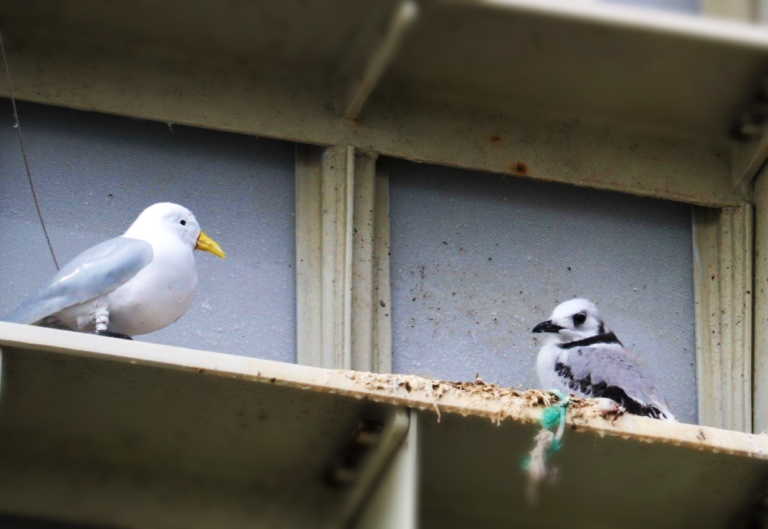
Marine conservation A 3D printed kittiwake decoy beside a real kittiwake chick on a nesting ledge of an offshore structure

3D Printed Kittiwake Decoys for Offshore Conservation

Ørsted needed lifelike kittiwake decoys that could survive years on offshore nesting structures in the North Sea. We reverse engineered an anatomically accurate model, printed 66 units in recycled PETG, and weatherproofed them for marine conditions.

Client Ørsted, Hornsea Project 3Output 66 decoysMaterial 100% recycled PETG
Read the case study
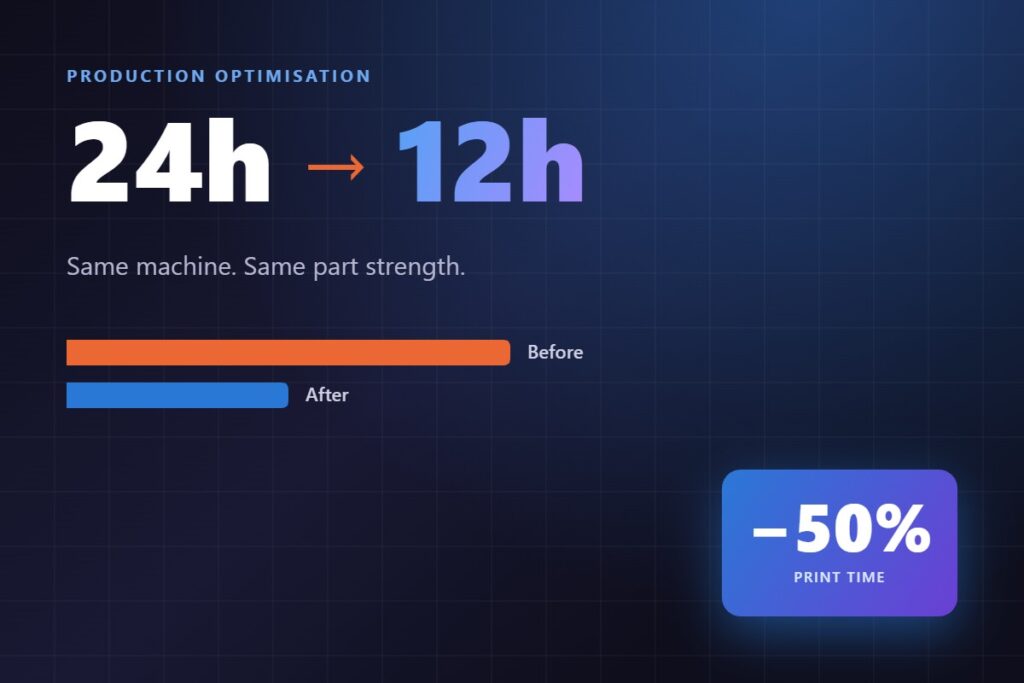
Production optimisation Chart showing a 24 hour 3D print reduced to 12 hours on the same machine, a 50 percent cut in print time

Cutting Print Times in Half Without Touching the Hardware

Manufacturers hit a capacity ceiling and assume the answer is more machines. We review G-code, print profiles, bed layout, material choice and machine configuration — and on one client's existing hardware took a 24-hour production print down to 12, with no loss of strength for the application.

Service Production and process optimisationBest result 57% fasterWorked with Koobz, Powerful UK and Green Tech Automotive
Read the case study
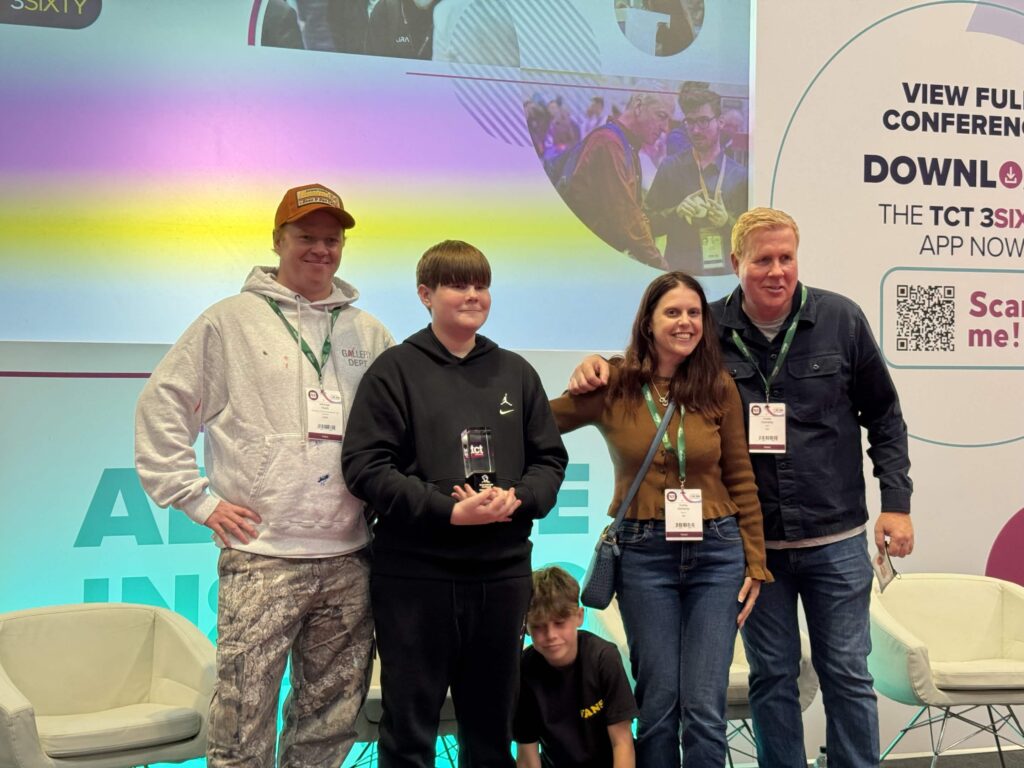
Education & mentorship Neil Doherty, winner of the 2026 TCT Rising Star Award, with his family and the founder of 3D Printing Cornwall

From First Print to National Award Winner

Our student Neil Doherty won the 2026 Sanjay Mortimer Foundation Rising Star Award at the TCT Awards — the youngest winner in its history — after three years that took him from complete beginner to designing and selling products now used in local businesses.

Student Neil Doherty, age 14Award TCT Rising Star 2026Programme Youth Training
Read the case study
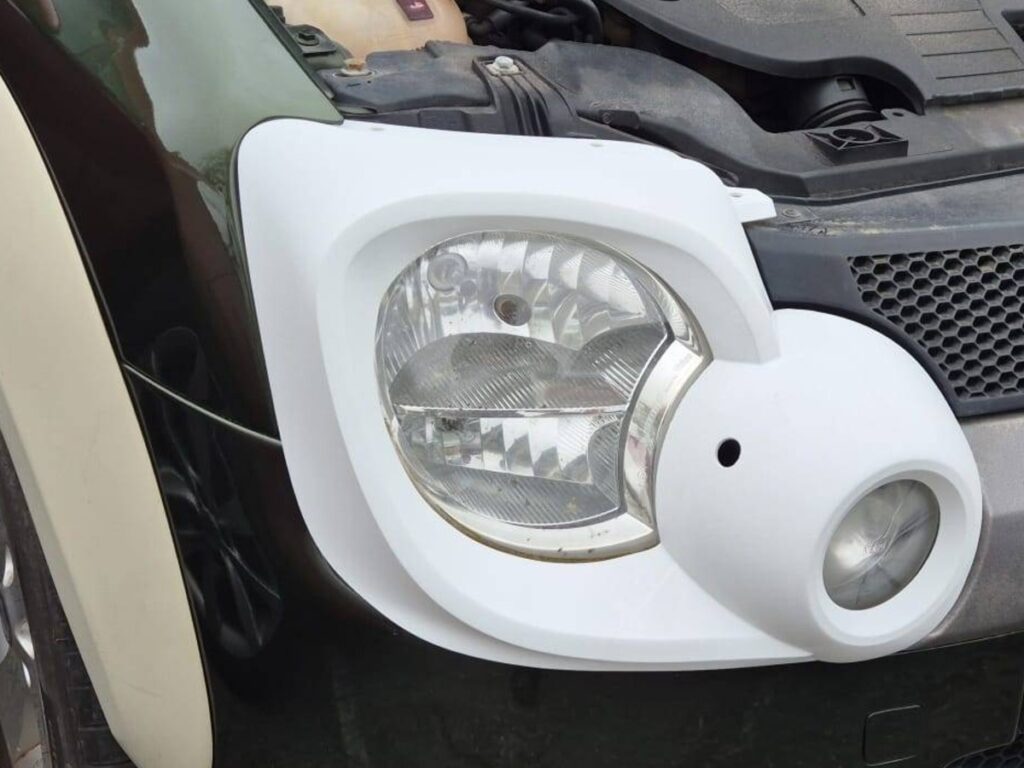
Automotive repair The reverse engineered 3D printed headlight housing fitted to the Fiat Panda before colour matching and paint

Reverse Engineering a Headlight Housing to Fit an Insurance Budget

The replacement housing for a Fiat Panda was available — but its price would have pushed the repair past what the insurer had approved. We scanned the intact housing on the opposite side of the car, rebuilt it as clean CAD, and printed the replacement in ASA glass fibre.

Client West End Motors, BodminMaterial ASA glass fibreScope Reverse engineering and manufacture
Read the case study
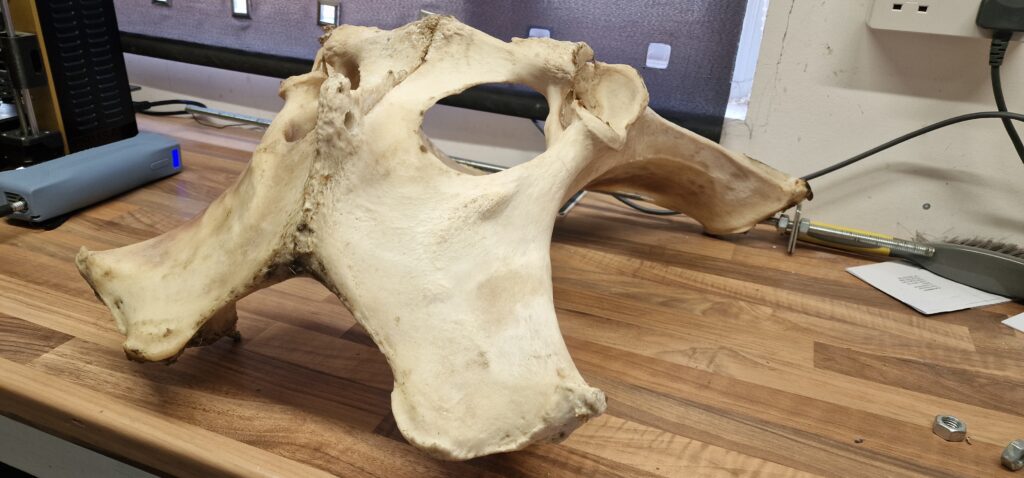
Veterinary education A cow hip bone on a workbench, the original specimen 3D scanned to create veterinary birthing training models

Cow and Lamb Hip Bones for Birthing Training

Calweton Veterinary Group needed to teach difficult birthing procedures without a live animal. We scanned a cow hip bone and a lamb hip bone, redesigned both to be printable, and have produced them for the practice ever since.

Client Calweton Veterinary GroupModels Cow and lamb hip bonesRelationship Ongoing repeat production
Read the case study

No projects in that sector yet.

How a project runs

Same three steps, whatever the part

1

Scan or measure

We start from the real object wherever one exists — 3D scanning the original, a matching part, or the mating surfaces it has to fit against. That is what keeps a reverse engineered part dimensionally honest.

2

Design for the application

The CAD is rebuilt cleanly rather than traced, then adapted for manufacture: wall thickness, orientation, tolerances and material chosen for the load, the environment and the budget the part has to live inside.

3

Manufacture and iterate

We print in-house, check it fits, and change what needs changing. Several of the projects here are still in repeat production years after the first part was delivered.

Have a project in mind?

Whether it is one obsolete part, a production run that is taking too long, or something nobody has made before — tell us what you are trying to solve and we will tell you honestly whether 3D printing is the right answer.